According to the 2025 Audio Publishers Association Consumer Survey, 63 percent of listeners place high importance on finding audiobooks in digital library systems. Public library lending represents one of the most stable channels for audio publishers.
Unlike consumer retail, library platforms operate under distinct licensing structures that balance library budgets with publisher royalty streams.
Comparing digital library lending models
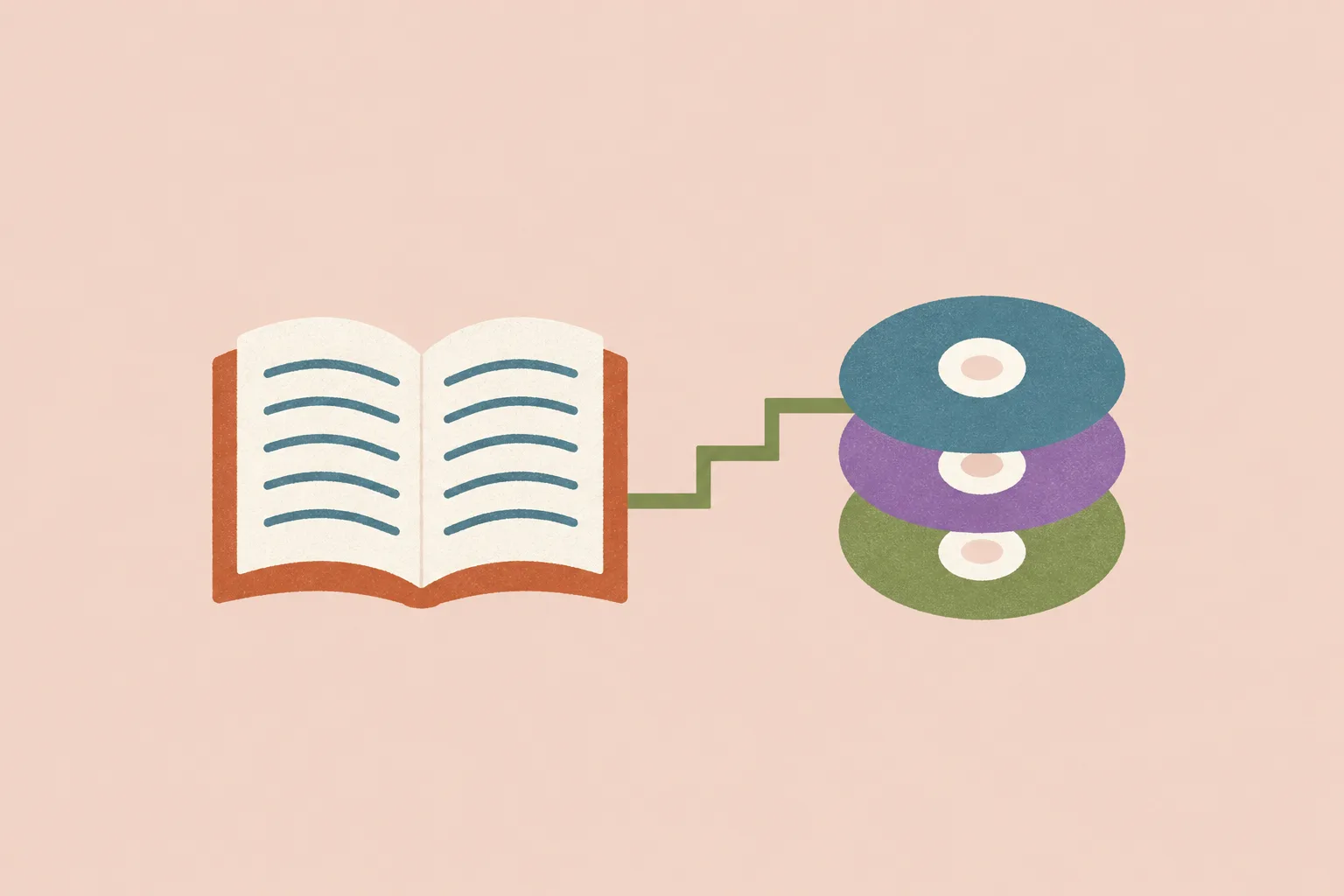
- One Copy / One User (OCOU): The library purchases a perpetual license for a title. Only one patron can borrow the audiobook at any given time, creating hold queues for popular books.
- Metered Access: The license expires after a set period (typically 12 or 24 months) or after a specific number of checkouts (often 24 loans). Libraries renew active licenses to keep books in circulation.
- Cost-Per-Circ (CPC): Libraries pay only when a patron borrows the title. Platforms like Hoopla allow simultaneous access, meaning unlimited patrons can borrow the same audiobook concurrently without waitlists.
Why backlist catalogs thrive in library systems
Public libraries rely heavily on Cost-Per-Circ and metered backlist licenses to satisfy reader demand across niche genres, non-fiction and serial backlists. While retail readers may hesitate to purchase older titles, library patrons borrow them freely.
This creates predictable recurring monthly payments for publishers who convert long-tail catalogs into professional audio editions.
Managing metered access and cost-per-circ
Publishers often pair frontlist titles on Metered Access with backlist titles on Cost-Per-Circ to maximize discovery. Ensuring clean chapter navigation, consistent loudness and compliant metadata guarantees smooth approval across major library distributors.