Digital audiobooks require precise bibliographic metadata to flow cleanly through retail storefronts, subscription platforms and library distributors. A missing duration tag or incorrect product form code will halt automated ingestion across major distributors.
Publishers managing growing audio catalogs must align their title records with international EDItEUR standards and distributor validation rules.
Why digital audiobooks require a dedicated ISBN-13
Each digital edition of a book must carry a unique ISBN-13 distinct from its hardcover, paperback and EPUB counterparts:
- Never reuse the print or ebook ISBN for an audiobook edition. Distributors treat shared ISBNs as data collision errors.
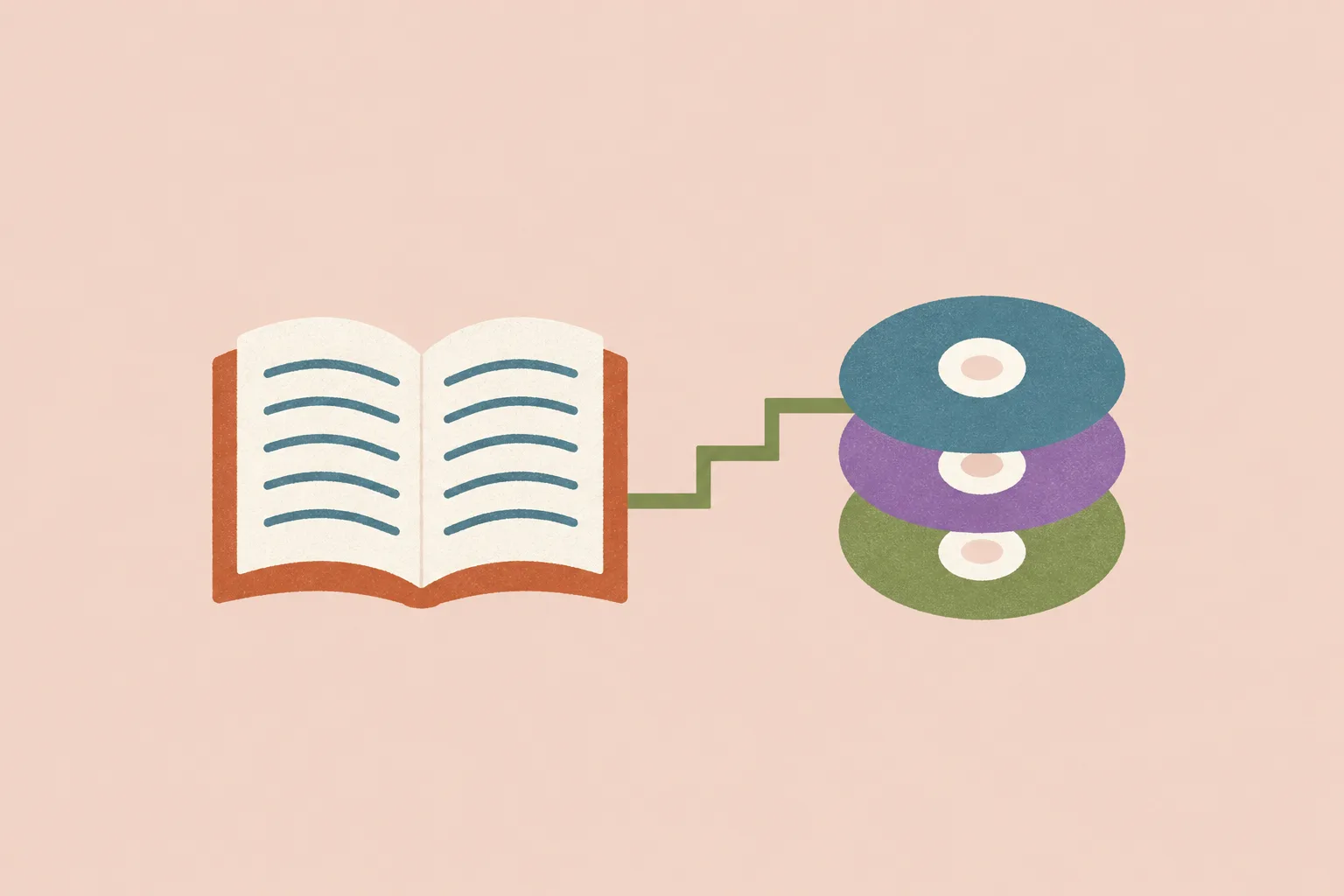
- Separate downloadable digital audio (M4B/MP3) from physical CD editions if both formats exist in the catalog.
- Use the digital audiobook ISBN in all distribution feeds, copyright metadata and retailer registration forms.
EDItEUR ONIX 3.0 code lists for digital audio
In ONIX for Books 3.0, digital audiobooks are defined by specific code values. The ProductForm code must be AJ (Digital audio), and ProductFormDetail must be set to A101 (Downloadable audio file).
Audio duration must be supplied in ProductFormFeature with code 01 (Duration), formatted in ISO 8601 time strings (such as PT08H42M) or total running time in minutes. Contributor roles should distinguish the primary author (code A01) from the narrator or voice cast (code E07).
SFTP and automated catalog delivery
Automated ingestion services like Google Play Books and distribution aggregators ingest metadata packages via SFTP. VerseVale supports compliant chapter exports with exact duration metrics and metadata, enabling smooth catalog syndication. Learn more about Google Play Books ONIX and SFTP delivery.